
Computing power alone is not enough
To harness the potential of high-performance computers, Hartwig Anzt from the TUM Campus Heilbronn develops and optimizes methods for solving mathematical equations. His goal: more efficient software.
read more
Innovations in Germany are the engine of our prosperity, driven by excellent research, creative start-ups and plenty of entrepreneurial spirit. Below, we examine what makes Germany a strong business location, how it can compete internationally – and what role the Heilbronn region plays in this.
In Germany, innovation arises where three things come together: ideas, inventiveness and the courage to try something new. What secures our prosperity does not come from the ground, but is created in laboratories, lecture halls and the minds of the people who want to shape the future of our country. It comes from entrepreneurs and founders.
For Germany to remain internationally competitive and for our economy to grow in the future, strong networking is essential: between start-ups and established companies, between research and practice. After all, entrepreneurship thrives on mutual exchange and an environment in which ideas can not only develop but also flourish.
The Heilbronn region is leading the way: In recent years, various renowned research institutes and universities have settled in the city. In addition, an active start-up scene has emerged here, which can provide new impetus for the German economy, thanks to strong connections to cutting-edge research and global market leaders. Here you can experience firsthand how innovation can succeed in Germany.
For good ideas to turn into start-ups and ultimately into successful companies, you need the right talent, motivated teams and an ideal environment. Yet not every founder is equally successful. Why is that? According to an analysis by the Oxford Internet Institute, six different types of founders are particularly common in young companies. Assembling a team based on these types therefore increases the chances that the start-up will be successful and can grow into an established company.
But personality alone is not enough to predict a start-up’s breakthrough. Another study shows that successful founders have two key competencies: Firstly, they possess matching skills – that is, the ability to bring together the right partners, employees and resources at the right time and thus build a strong network. Secondly, they have governance skills – that is, the ability to manage and structure a company in such a way that decisions are made clearly, reliably and in a scalable manner.
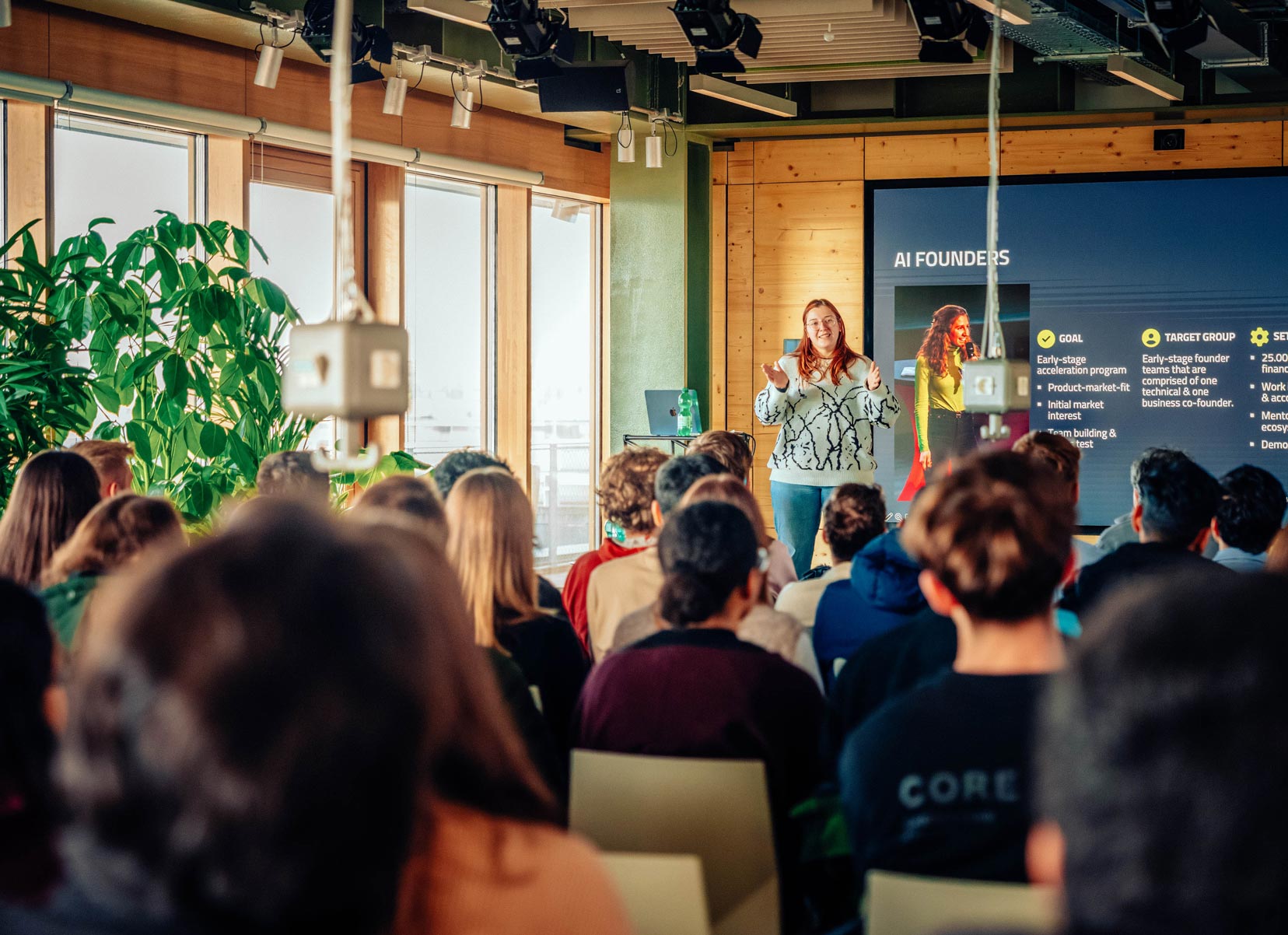
It is only through networking that knowledge leads to entrepreneurial success and can ultimately become a competitive advantage for Germany as a business location. This principle is already being applied in the Heilbronn region: An innovation ecosystem is growing around the start-up and co-innovation hub Campus Founders, which brings together founders, established companies and research in a targeted manner – precisely what innovation in Germany needs to remain internationally competitive.
The mentoring program of Campus Founders focuses on connecting young founders with experienced entrepreneurs. In the “CEO Leadership Series” at the TUM Campus Heilbronn, top executives share personal insights into transformation and scaling. And with “WoMent“, a career development program of the Dieter Schwarz Foundation, female students at Heilbronn’s universities are specifically prepared for a successful start to their careers.

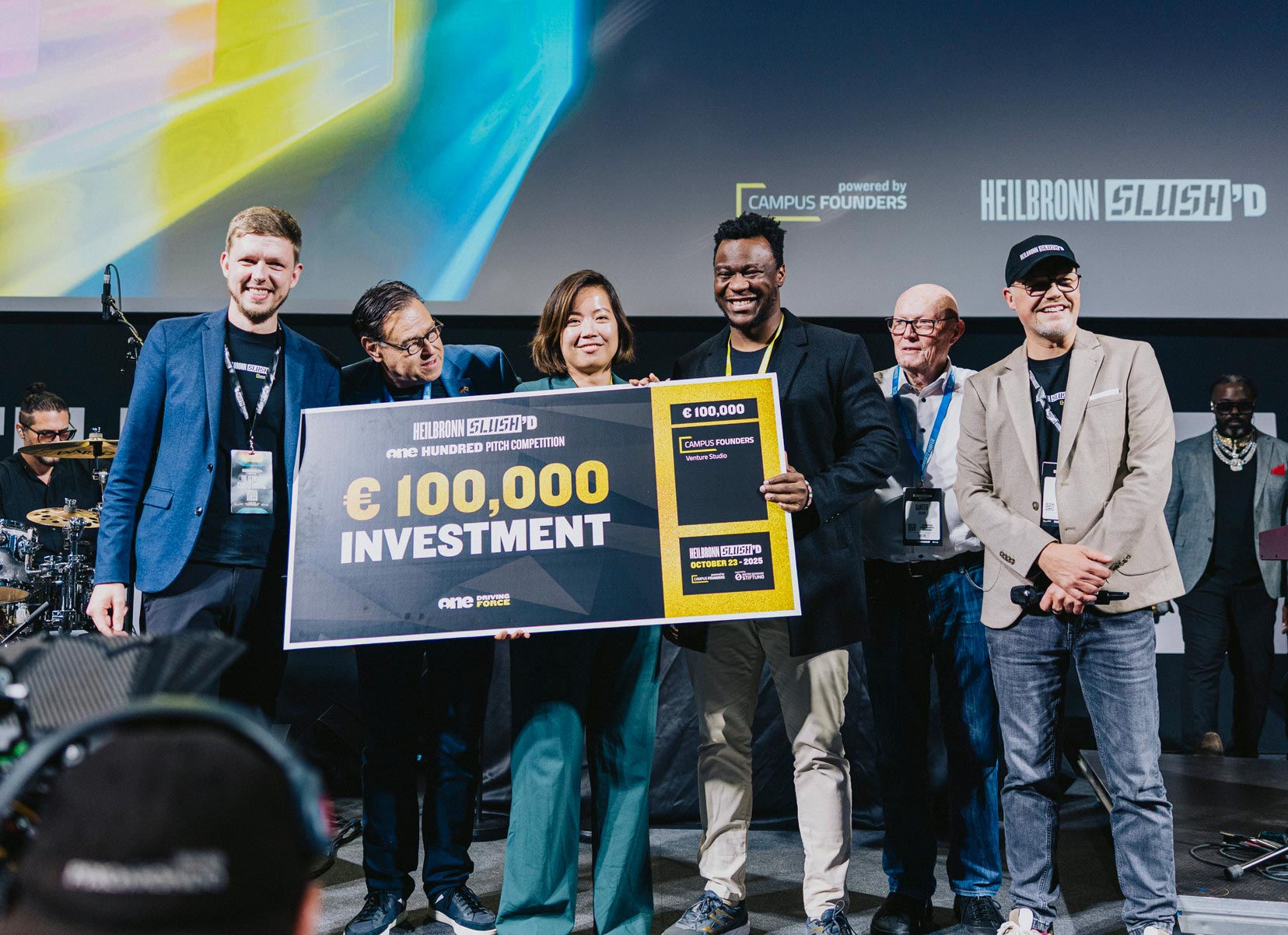
If you want to find the most innovative start-ups in Germany, you should look to the Heilbronn region. At the Slush’D Festival 2025, start-up teams pitched their ideas in five minutes and had the chance to win up to 100,000 euros. The winners clearly demonstrated that artificial intelligence is no longer just a topic of the future, but instead will determine whether or not a company can remain competitive in the future.
Success stories include start-ups such as the AI platform EcoComply, which offers tailored compliance solutions for small and medium-sized manufacturers, and Common Sense Robotics, which was honored with the Co-Innovation Award for a joint project with Audi. These start-ups are emblematic of a new generation of German companies: technologically strong, application-oriented and internationally scalable.
Transformation in companies is crucial for keeping pace with global competition. But how adaptable are German companies really? The Fraunhofer HNFIZ have investigated precisely this question and developed a transformation index – a self-test based on 35 years of research and interviews with companies that makes the success factors of entrepreneurship measurable.
A research project by TUM Campus Heilbronn and RWTH Aachen University illustrates what concrete change in terms of innovation looks like in Germany: In mechanical engineering, one of the cornerstones of the German economy, more and more companies are turning to subscription models instead of one-off product purchases when it comes to their transformation. To ensure that this process is completed with minimal risk, the researchers have developed an online tool that facilitates the adoption of new business models and helps German companies to stay ahead of the international competition.
The path from basic research to business practice is often long, but in the Heilbronn region it is deliberately kept short in the name of innovation in Germany. One example: Heilbronner Versorgungs GmbH, together with the Ferdinand Steinbeis Institute, is testing a digital twin of the Heilbronn water network. They are using artificial intelligence to make critical infrastructure more efficient and secure with the help of real-time simulations. This pilot project is just the beginning, with an international roll-out already planned.
An even more fundamental research project is underway at the TUM Campus Heilbronn: New methods for solving mathematical equations are intended to make software more efficient and thus harness the full potential of high-performance computers, for example, for more precise climate modeling. This represents another example of how research in the Heilbronn region is making its way from the laboratory to global application.

The USA and China may be leading the global development of AI, but Europe is also providing crucial impetus. Europe’s largest AI ecosystem is being created right in the heart of Germany in the form of the Innovation Park Artificial Intelligence (IPAI) in Heilbronn, initiated by the Dieter Schwarz Foundation, the Schwarz Group and the state of Baden-Württemberg. At the IPAI, companies and start-ups, research institutions and public stakeholders come together to advance the application-oriented development of artificial intelligence and combine it with social responsibility and ethical values – a truly unique selling point for innovation in Germany. The new AI campus will create up to 5,000 jobs. The IPAI thus not only makes an important contribution to AI competitiveness, but also strengthens growth and prosperity in the Heilbronn region and in Germany as a business location.

Germany boasts excellent research, strong entrepreneurship and a dynamic start-up scene. Yet, to remain internationally competitive in the long term, global networking and exchange with the world’s top minds are crucial.
The Heilbronn-Franken region is leading the way here: In the eleventh cohort, it is one of six regions worldwide participating in and networking through MIT’s renowned REAP program. The MIT REAP program strengthens regional innovation ecosystems and offers international networking and opportunities for peer learning. It thus provides an ideal platform for the Heilbronn-Franken region to position itself as a leading innovation ecosystem, particularly in the field of artificial intelligence in companies.
At the same time, the Innovation Park Artificial Intelligence (IPAI) in Heilbronn is building international bridges for researchers and start-ups. The Heilbronn region is thus not only a hub for innovation for Germany – but for all of Europe.
To harness the potential of high-performance computers, Hartwig Anzt from the TUM Campus Heilbronn develops and optimizes methods for solving mathematical equations. His goal: more efficient software.
read more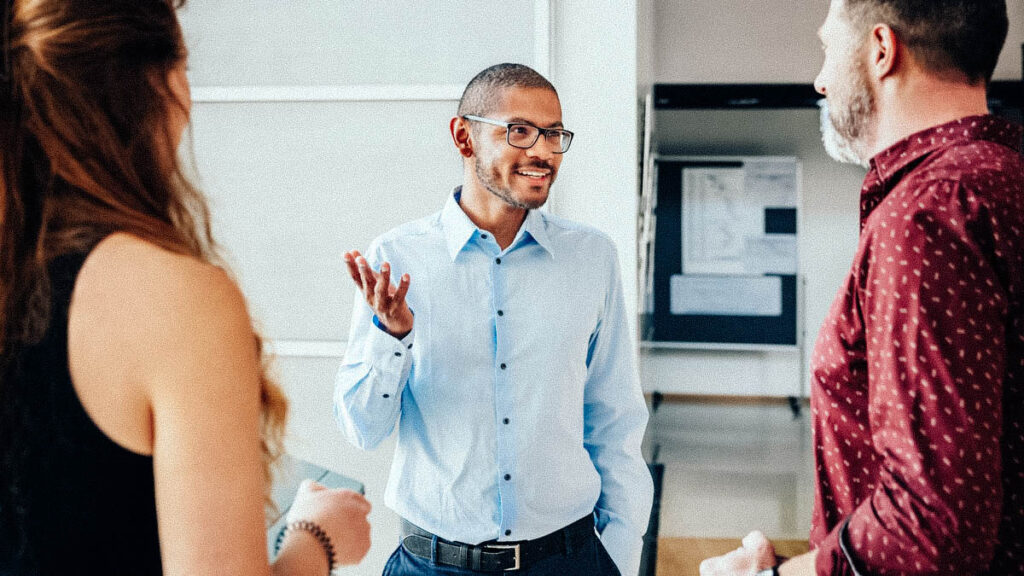
Do entrepreneurs have certain skills? A new study involving the TUM Campus Heilbronn delivers exciting results.
read more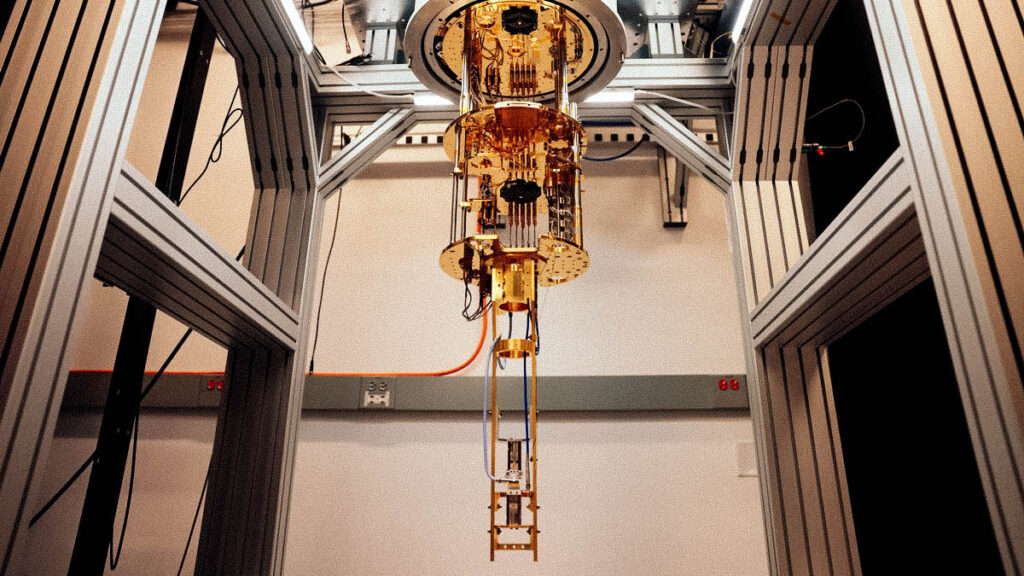
Quantum computers and artificial intelligence will augment each other in the future. Three theories by physicist Achim Kempf from the University of Waterloo in Canada reveal the potential of this synergy.
read more