M
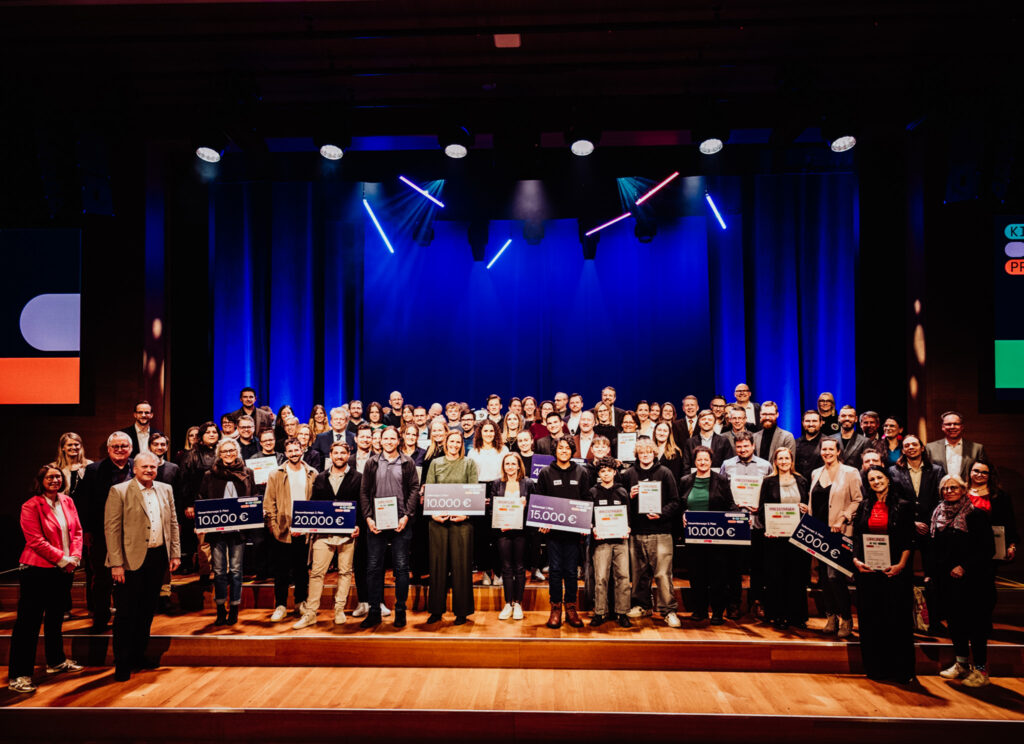
Mr. Trost, in January 2026, the Dieter Schwarz Foundation awarded the AI School Prize for the first time. You are the head of the “AI in Education” competence center at the non-profit educational institution aim and were involved in the jury’s work. Which prize-winning school stood out the most to you?
Kai Erik Trost: The Gifhorn vocational school surprised us with its virtual sports hall. Since it doesn’t have its own sports hall, it makes a virtue of necessity and simulates physical education lessons with the help of AI and VR headsets. Of course, we should all want physical education classes to actually take place in a sports hall. So the concept isn’t a blueprint for other schools. But it shows how artificial intelligence doesn’t have to be at odds with traditional teaching, but instead can enhance it in a creative and meaningful way. With this pragmatic and solution-oriented concept, the vocational school made it onto the shortlist in the “AI sub-concept” category.
In this case, you have recognized a particularly innovative way of using AI. Are there any other approaches that you consider worthy of an award?
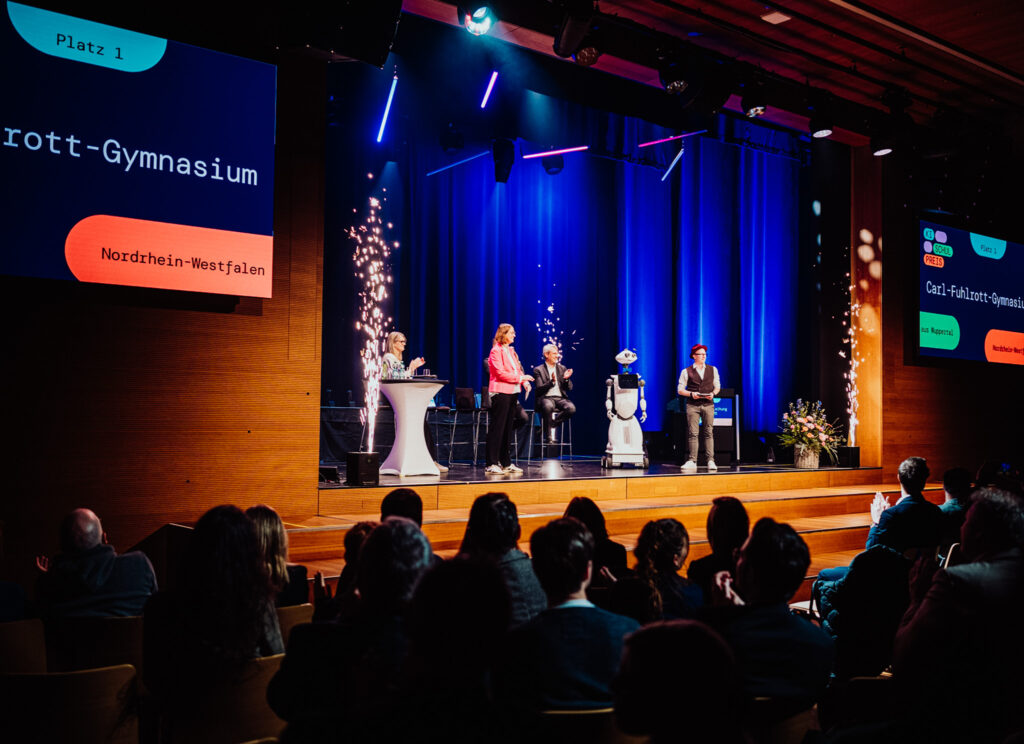
Trost: There is a second category in which overall school concepts are honored. These are schools that already use AI holistically or strategically. These schools use AI in the classroom and in lesson preparation, have developed a data protection concept and have addressed the matter of AI ethics. They also use artificial intelligence in school administration or school management. The Carl-Fuhlrott-Gymnasium in Wuppertal won in this category with its far-reaching concept. Here, teachers develop their own didactic AI agents, there are prompting competitions and the tools “Fobizz” and “Classtime” are used to analyze learning progress and create teaching materials.