Precision medicine of the future
Researchers at the MOLIT Institute for Personalized Medicine are developing methods to analyze medical data and improve individualized cancer therapies.
read more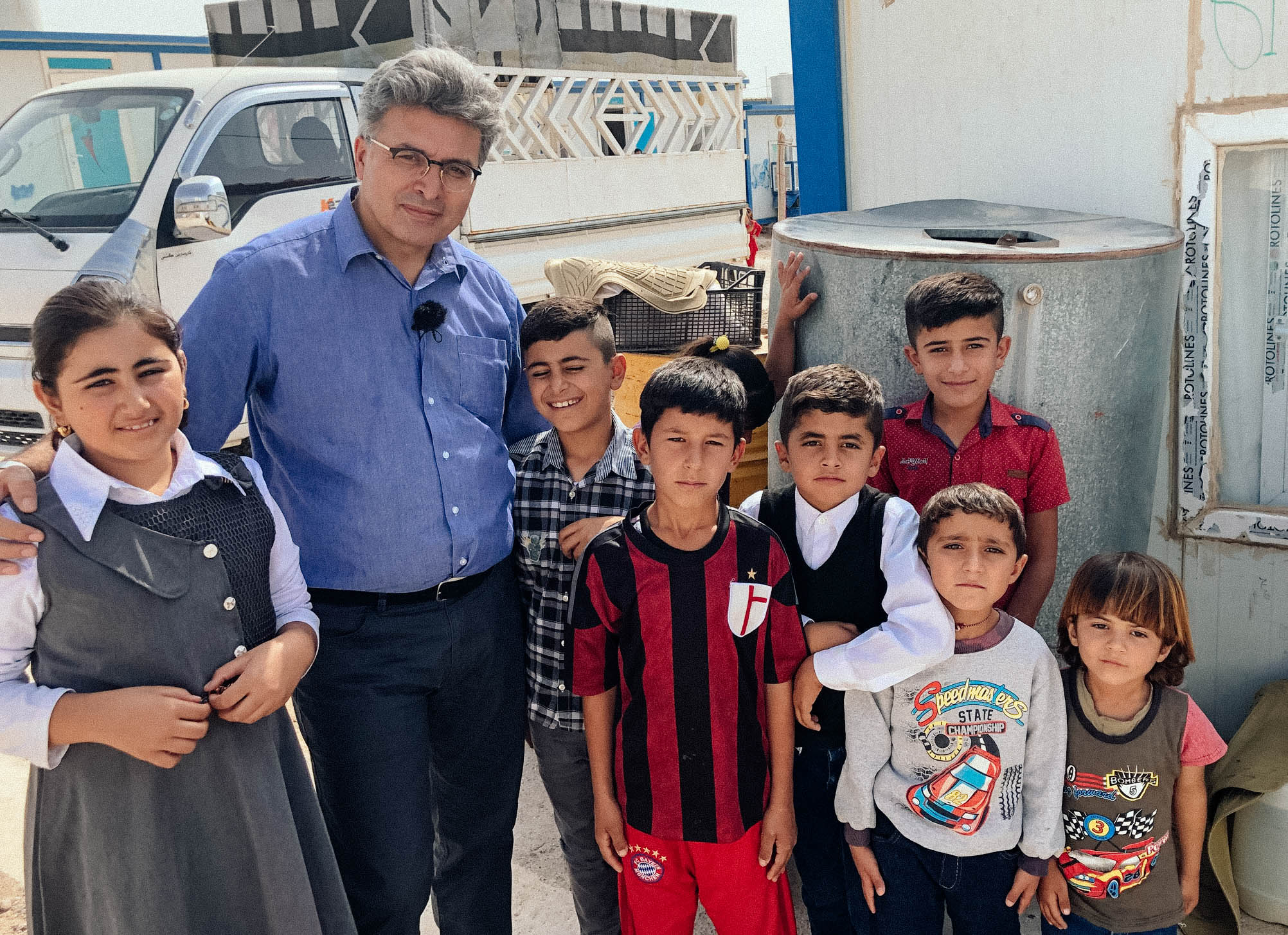
Countering feelings of powerlessness: Jan Ilhan Kizilhan explains how different cultures deal with traumatic experiences – and how different paths can lead to the same goal.
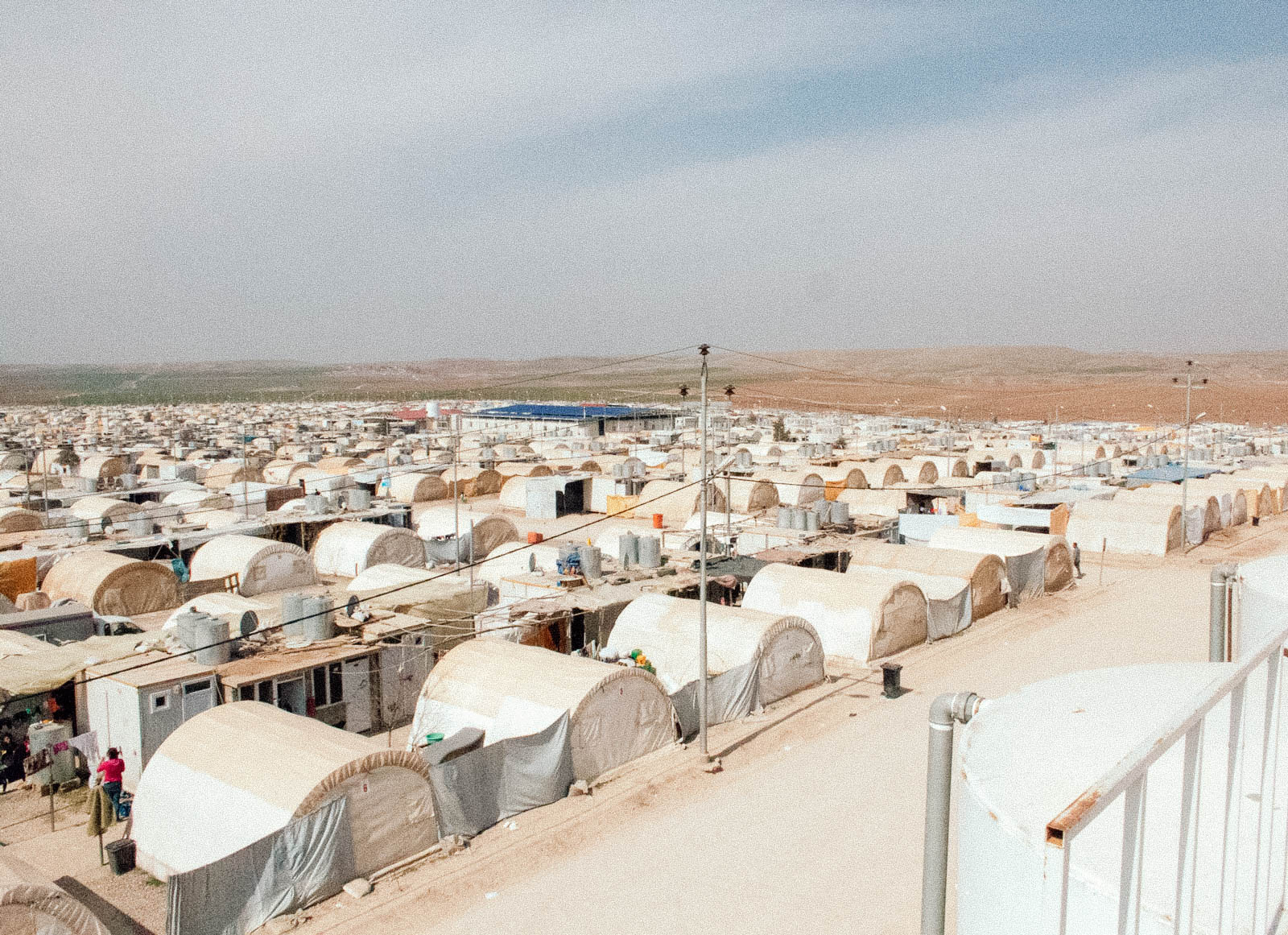
Every day, people are displaced, injured, and tortured in wars. Those who survive are often traumatized. What are the consequences—and where can therapy help?
Jan Ilhan Kizilhan: People who constantly ask themselves “Why did this happen to me?” can eventually fall into depression or have suicidal thoughts. Other common symptoms include anxiety and sleep disorders. The trauma remains for a lifetime. But modern psychotherapy can teach techniques for dealing with the symptoms. Our goal is to ensure that these symptoms no longer have control over a person. He or she learns to understand the symptoms, to classify them, and to deal with them—including feelings of powerlessness, humiliation, and hurt. All of this will remain a part of their life, but it will no longer dominate their entire life.
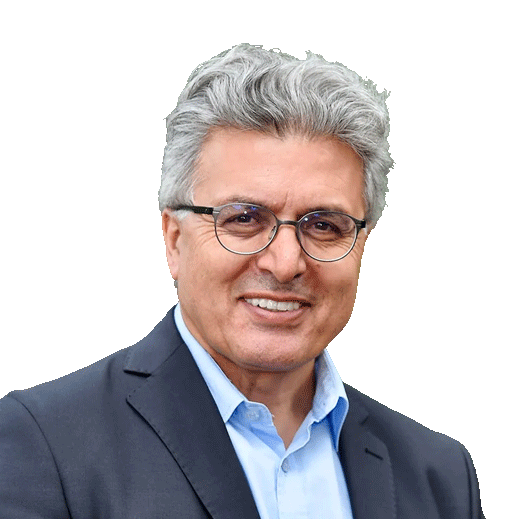
Prof. Dr. Dr. Jan Ilhan Kizilhan is an expert in transcultural trauma therapy who specializes in treating people traumatized by war or violence. His approach emphasizes cultural sensitivity.
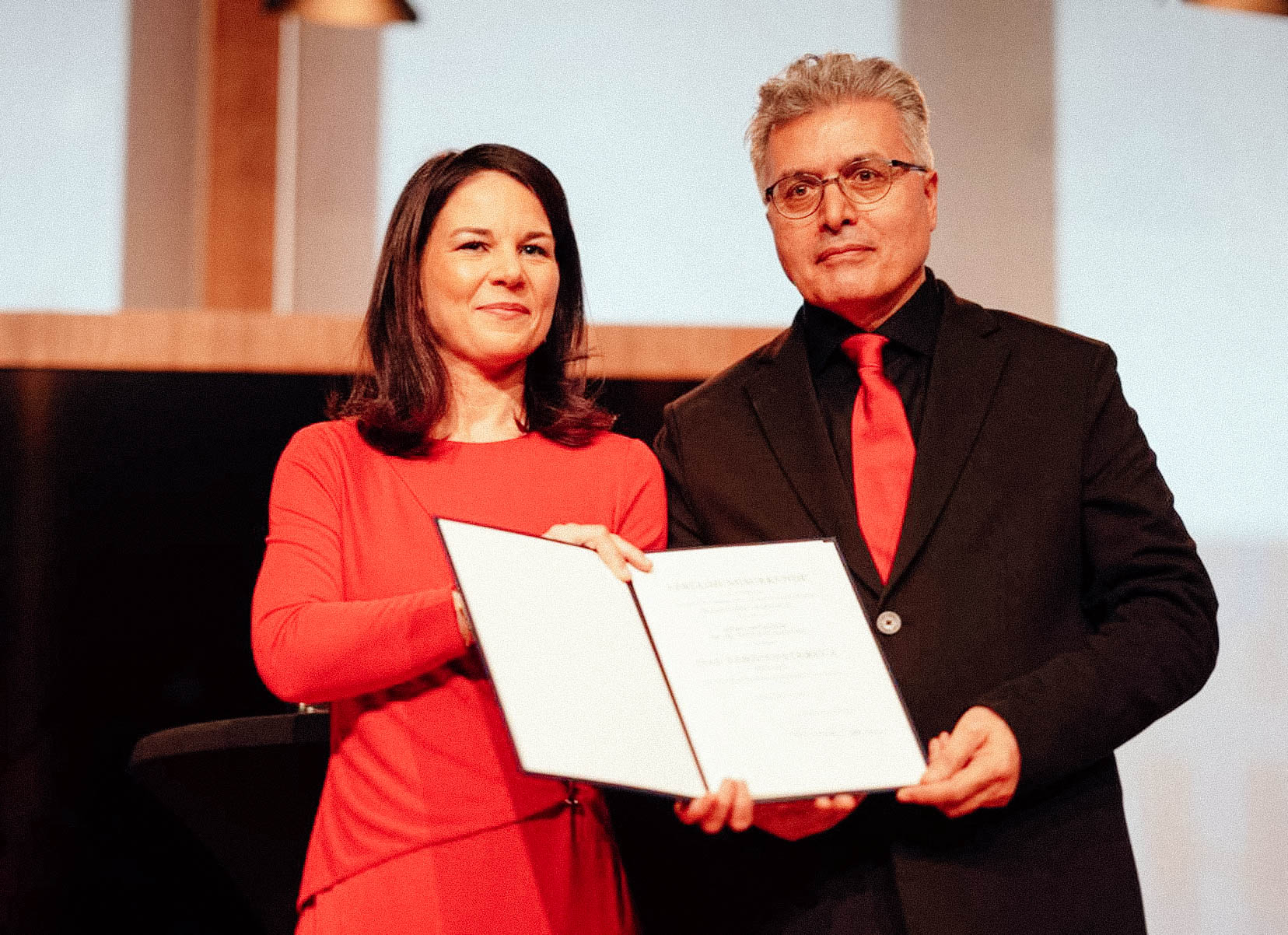
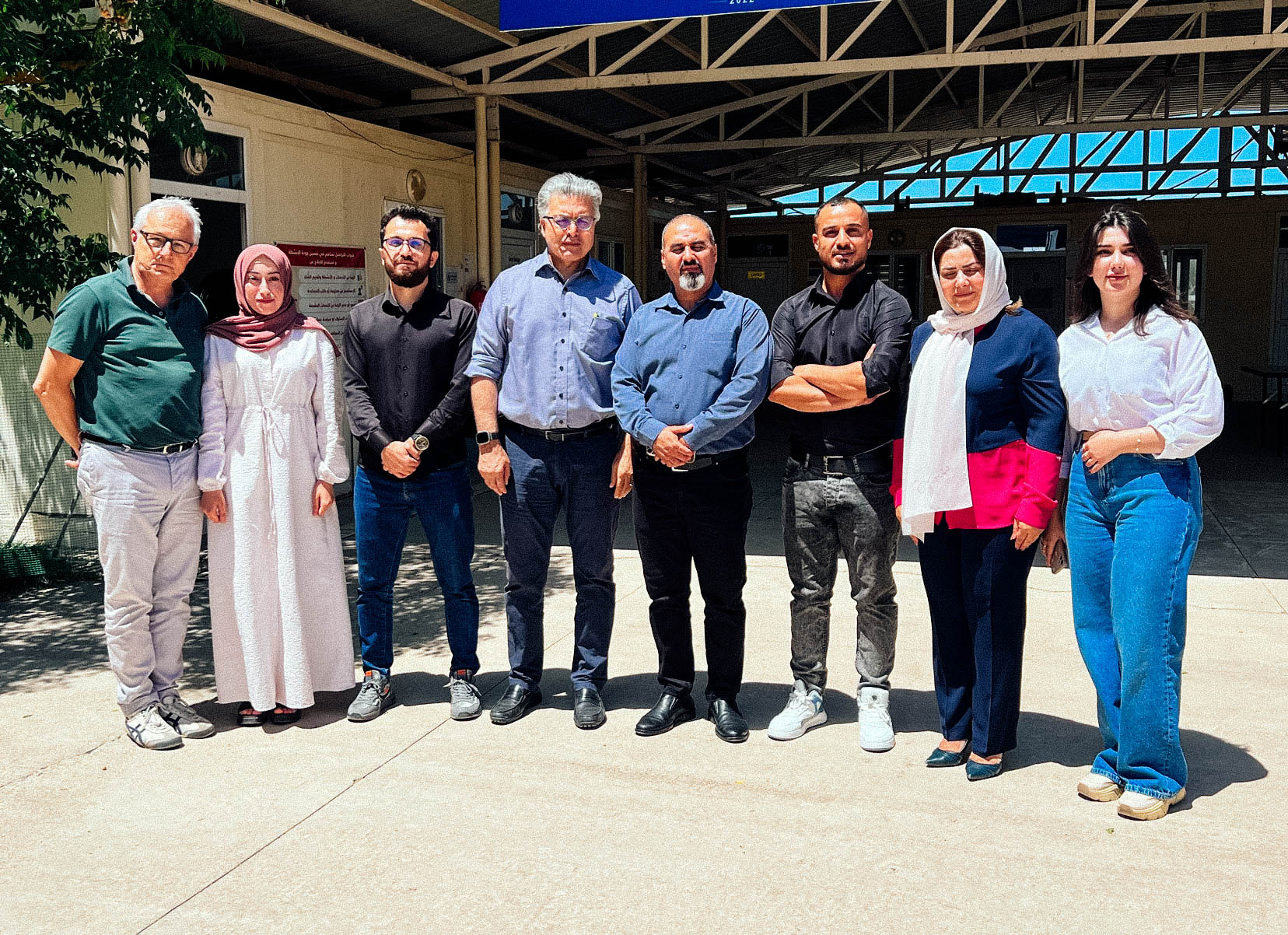
Kizilhan has been dean of the Institute for Psychotherapy and Psychotraumatology at the University of Duhok in the Kurdish part of Iraq since 2016. He has also headed the Institute for Transcultural Health Research at the Baden-Württemberg Cooperative State University (DHBW) since 2018. In 2024, he was awarded the Cross of the Order of Merit of the Federal Republic of Germany for his outstanding services in research and humanitarian work in the field of psychotraumatology.
Providing effective psychosocial support to those affected requires specific skills. That is why Kizilhan, as scientific director, has developed the master’s program in Transcultural Trauma-Focused Education in collaboration with the Center for Advanced Studies at DHBW, funded by the Dieter Schwarz Foundation. The program imparts knowledge from the fields of psychology, education, and social work. Individual modules can also be taken as part of its certificate program.
Does it make a difference whether someone has experienced war in Afghanistan, Syria, Sudan, or Ukraine?
Kizilhan: Cultural sensitivity is required, even before the therapy begins. As therapists, we have developed an understanding of how people describe their illnesses. A German soldier returning from Afghanistan might use the word “trauma” themselves. A Kurdish fighter, on the other hand, would speak of physical rather than psychological pain. It is important for me to understand this in order to arrive at the correct diagnosis. If one is unfamiliar with the culture of those affected, it is easy to misunderstand things.
Can you provide an example of a potential cultural misunderstanding?
Kizilhan: Someone from a Turkish-speaking region says that they hear noises. A German therapist who thinks this person might have schizophrenia because they are “hearing voices” is not thinking of tinnitus. But that is what was meant in this case. Another example: if someone from the Middle East complains of a “burning liver,” they are not feeling well emotionally. Anyone who does not know this and does not ask further questions may come to the wrong diagnosis.
What is the difference between experiencing war as one of the actors or as a victim?
Kizilhan: Soldiers, for example in Germany, have a certain sense of control; they make a conscious decision to go to war. Nevertheless, I have treated several Bundeswehr soldiers who believed they were failures because a comrade of theirs was killed in Afghanistan and they themselves survived. These images kept coming back to them. These people knew they were traumatized—that makes it much easier to find solutions.
But what if there is not a word for “trauma” in my culture?
Kizilhan: In traditional societies, people often first react with a physical response and cannot explain where their back, head, abdominal, or stomach pain comes from. When we talk to the person about their experiences, we inevitably uncover traumatic events. It can be war, flight, or loss. These people often take medication for years without it helping them. I see this as an indication to ask whether the body is trying to tell us something through the pain. And whether we might want to explore the possible causes together. Experience tells us that when we find the underlying cause of the conflict, physical symptoms subside.
How often are these root conflicts culturally taboo?
Kizilhan: This is particularly the case with sexual violence, both for women and men. We first have to build up trust, which can take a long time. But it is possible.
Do women and men experience traumatic events differently?
Kizilhan: That depends more on the experience itself. Generally speaking, men tend to react with anger and aggression. We often see women who have been victims of sexual violence overusing medication or experiencing dissociative disorders. During conversations, they sometimes react as if they were being raped all over again. What women and men display equally is a feeling of powerlessness, shame, and often guilt.
How can you avoid retraumatization?
Kizilhan: Before we can address the trauma, the patient must be emotionally stable enough to be able to confront a conflict within themselves. This applies to people from all cultures. In some cultures, addressing it takes place indirectly. For example, I may ask these individuals to recount their story as if it had been experienced by someone else. Doing so avoids speaking of it in the first person.
Is healing possible with this type of therapy?
Kizilhan: Healing is not the term I would use. We work toward helping traumatized people cope with the symptoms of their trauma and focus on the future rather than the past because tomorrow will be better, because they will be safe tomorrow too. They need to find a way of moving forward with their own lives.
Researchers at the MOLIT Institute for Personalized Medicine are developing methods to analyze medical data and improve individualized cancer therapies.
read more
In Heilbronn, a digital twin is being tested to make the water network more efficient and secure. This saves resources and costs – and opens up new business models for companies.
read more
No teachers, no lectures, just project work: the 42 Heilbronn coding school is training the programmers of tomorrow. Two students and their managing director share their experiences.
read more