Skip to content

From Classroom Assignment to Start-Up

Students at DHBW have launched a start-up. Their goal: using AI to support social work organizations. Their biggest challenge: data protection.

20.08.2026
Joachim Schüring

T

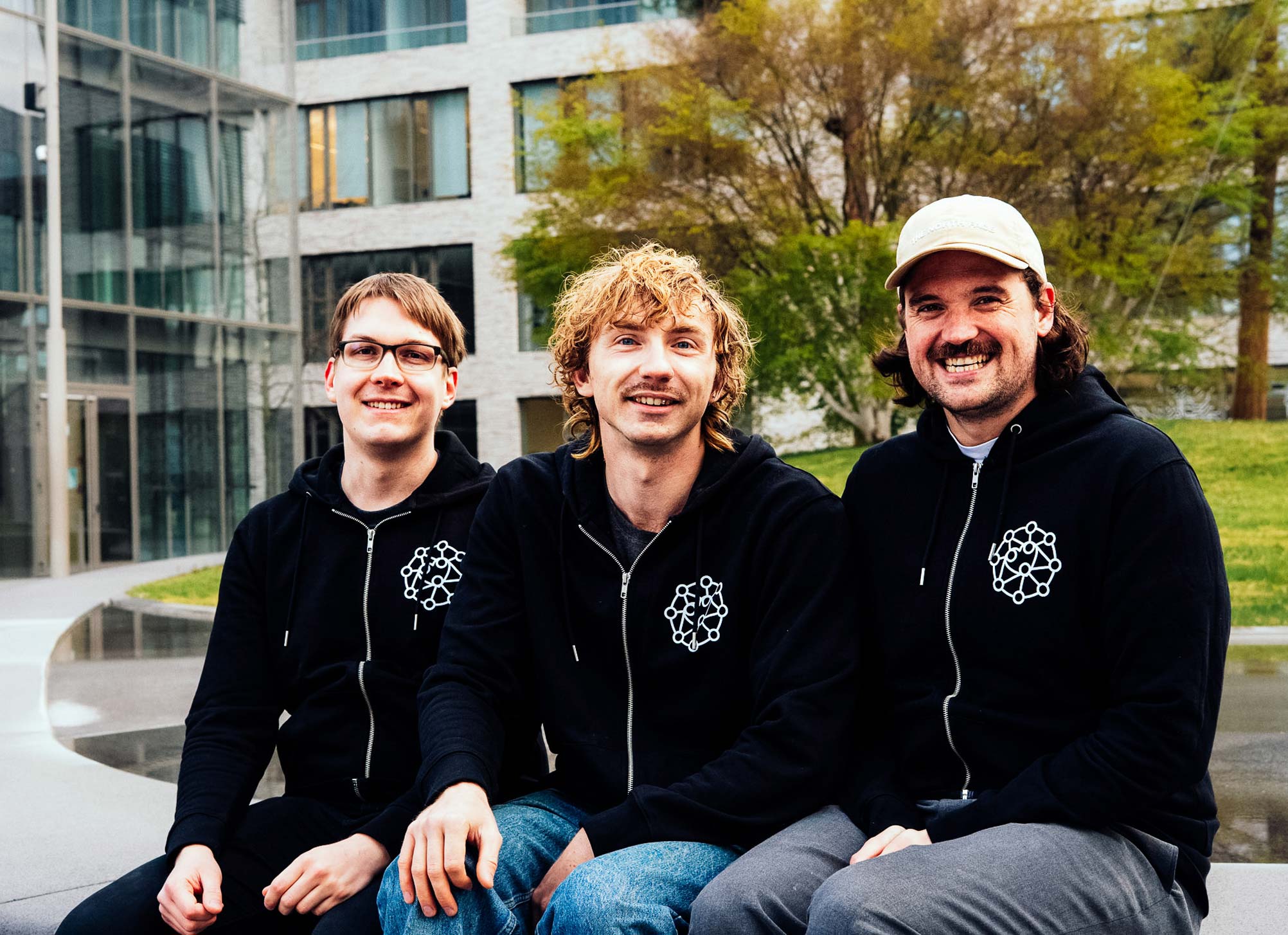
The three students met in 2024 while pursuing their master’s degrees as part of a cooperative program in Heilbronn. Each of them had (and still has) a job in social work. And each of them knew the biggest problems they faced in that field: complicated bureaucracy and strict reporting requirements. In addition, social work organizations still have a lot of catching up to do in terms of digitalization. During their degree programs, Philipp Engelsberg, Niclas Höhl, and Theodor Schöwitz were given an assignment: develop a business model for a digital product in the field of social work. And unsurprisingly, all three of them came up with the same idea.

“We got a very good grade,” Niclas Höhl says with a smile. However, the assignment—which was part of the master’s program “Digitalization in Social Work” at the Center for Advanced Studies at DHBW (DHBW CAS)—didn’t end there. The students continued refining their concept until they had a functional prototype of their tool, SoKI®, and they ultimately founded the start-up Sozial KI. At its core, SoKI® is a standalone AI system for social work. “Most of the popular AI services are not secure enough to entrust with sensitive data,” Theodor Schöwitz explains. “With SoKI®, we’re closing this gap, as well as catering for the specialized use cases that arise in social work.”

Thanks to the SoKI® tool, employees at organizations can better focus on their actual work in the social sector.

Focus on actual social work

There are a variety of potential applications for SoKI®. For example, natural language is widely used in social work, but the extensive reports and documentation in the field have to meet a broad range of linguistic, legal, and formal criteria that natural language doesn’t always provide. “That’s why these types of reports usually go through several rounds of review within an organization before being finalized,” Philipp Engelsberg says. “With the language models implemented in SoKI®, we can monitor and partially automate the writing process right from the beginning.” The tool gives organizations the ability to focus on what matters most: the actual social work.

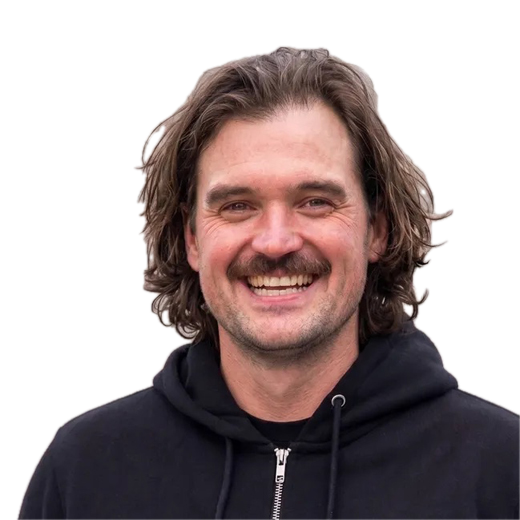
Philipp Engelsberg

Philipp Engelsberg is a social worker based in Hamburg. He specializes in providing assistance for people with special support needs. He has been involved in digitalizing social work since 2020. At Sozial KI, he is responsible for business relations, financing, and partnerships.

Ein Portraitbild von Philipp Engelsberg

As another example, many social work organizations communicate with people whose native language is not German, as well as people who live with disabilities. “When it comes to assisting people with special support needs, in particular, we have to write in a way that is actually accessible to the target audience,” Engelsberg says. “Using SoKI® allows us to write efficiently and in accordance with plain language standards.”

Top priority: data protection

Reports in social work contain highly sensitive information—a fact that, as experienced social workers, the students were well aware of. Consequently, data protection is one of the project’s major challenges—and actually one of its greatest strengths, as well. “We only work with partners within the EU who accept the terms of our framework agreement. That’s how we ensure that data will be processed securely,” Theodor Schöwitz explains. The data is transmitted in encrypted form, and it is neither stored nor retained. And laws from third countries, such as the U.S. CLOUD Act, cannot be applied to the data. “This is how we ensure that no one can misuse the data for profiling, for training AI models, or for any other purposes.”

Niclas Höhl

Niclas Höhl lives in Berlin and works for a vocational training provider. After several years as a social worker, he is now also an AI consultant, helping his employer digitalize their organization. At Sozial KI, he is responsible for GDPR and AI Act compliance; he also works on continuing education and training programs.

Ein Portraitbild von Niclas Höhl

The technology behind SoKI® adheres to the same principle: The infrastructure is largely open source, meaning the source code is publicly available. This prevents dependence on individual providers—the dreaded “vendor lock-in”—and creates a high degree of transparency.

SoKI® isn’t a tool you can just buy and use—its customers’ needs are far too specialized for that. Social work organizations interested in using the software will have a detailed consultation first. This consultation will explain how SoKI® can help with their own specific use cases or how the tool can be adapted to meet their requirements. An organization that decides to use the software after the consultation will receive extensive training and support during the implementation phase.

Theodor Schöwitz

Theodor Schöwitz is a social worker and developer. He works in the research and development department of the state-run offender assistance program (Bewährungs- und Gerichtshilfe BW) in Stuttgart. At Sozial KI, his focus is on product development and case studies.

Ein Portraitbild von Theodor Schöwitz

Self-funded, independent, and not for sale

The company behind SoKI® is just as transparent as SoKI® itself: a self-financed collective enterprise that is not for sale. External investments and equity interests are not permitted. “We launched in 2025 with 2,000 euros in start-up capital, and we plan to take it slow,” Engelsberg says. “Our goal is to grow purely organically.” Why? “Because we believe that we lose credibility when other companies use their capital to influence our product. Organic growth is the only approach that will allow the tool to operate in a sustainable, future-oriented way that serves the interests of social work organizations and their clients.”

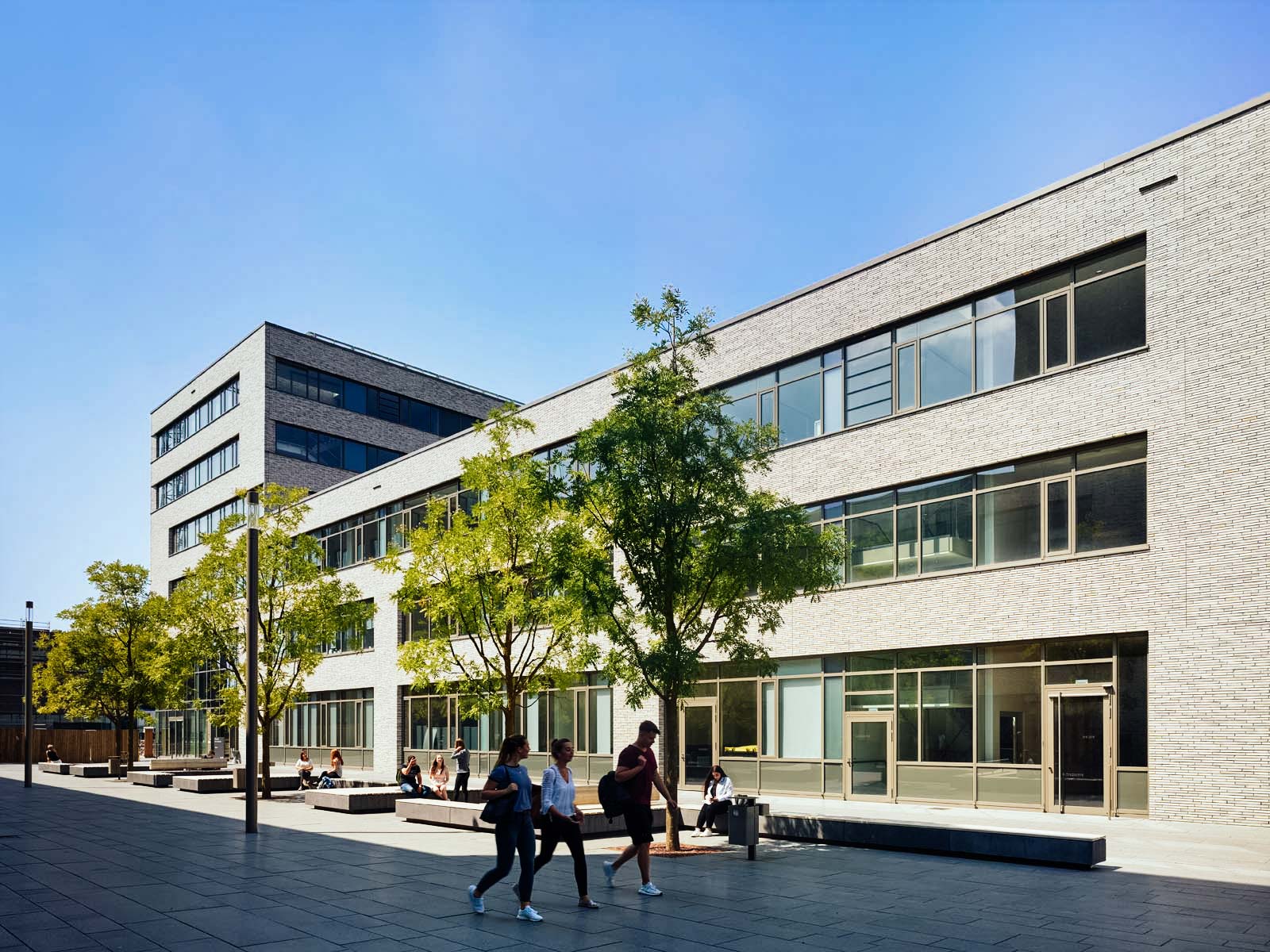
A strong network and professional support: The Duale Hochschule Baden-Württemberg (DHBW) on the Dieter Schwarz Foundation’s Education Campus offers ideal conditions for students who want to start a startup.

This independence also allows the team to develop further applications that, thus far, haven’t been available on the open market. For other market players, this type of development wouldn’t pay off, as the complexity and effort involved would likely be too great. Additionally, Sozial KI does its own research—by conducting bias and reliability testing based on real-world cases, for instance.

One example is AI-powered visualization and case analysis methods; another is AI models that can also process highly distressing content, such as extreme violence. Publicly available AI systems typically block distressing content, but this type of content is something social workers are required to deal with on a regular basis. “In that sense, we’re able to pick up where others have to leave off,” Schöwitz says. “In a highly sensitive and important field like social work, we believe that’s essential.” After all, during their master’s program, the young entrepreneurs learned how to use AI in an ethically responsible manner within the context of social work. “We were able to make use of that knowledge right from the beginning when we were developing SoKI®,” Schöwitz says.

The university as a support system

The start-up still maintains its ties to the university. “Not only have the campus and the faculty members involved in the project provided us with a great deal of technical and academic support along the way; they have also opened doors to new contacts and customers for us,” Niclas Höhl says. “And they’ve given us countless opportunities to give presentations on SoKI® and the concepts behind it.” Success wasn’t long in coming: Within just a few months, the three of them had built up a solid customer base, and “thankfully, our coffers are a little fuller now.” When asked where he sees Sozial KI in five years, Engelsberg replies: “We’ll still be a collective enterprise. And who knows? Maybe we’ll already be the leading company in the field of AI-driven digitalization for social work.”

About DHBW CAS

The Center for Advanced Studies at DHBW brings together all the continuing education programs offered by DHBW, a state college in Baden-Württemberg providing cooperative degree programs. More than 1,500 professionals and managers participate in over 30 degree programs and a broad range of continuing education courses at DHBW; they study for degrees and certifications in the fields of business, engineering, social work, and health. The degree programs are designed to be integrated into the workplace, and participants are able to study alongside their employment: They remain in their jobs throughout the duration of the program, and they integrate their studies into their work (and vice versa). The cooperative master’s program is built on practical foundations; students can also customize the modules to meet their individual needs. Additionally, the program is interdisciplinary, offers flexible scheduling, and meets the highest standards of educational quality. CAS is continuously developing new master’s and certification programs to facilitate part-time and lifelong learning.

DHBW CAS, located at the Bildungscampus Heilbronn (Heilbronn Education Campus), has received support from the Dieter Schwarz Stiftung (Dieter Schwarz Foundation) since 2014. The foundation sponsors pioneering degree programs—particularly in the fields of artificial intelligence (AI) and data science research—and also provides funding for applied research and state-of-the-art teaching facilities.

;