Skip to content

“The degree program understands leadership not as a position, but as a responsibility”

Christina Müller is a grammar school teacher and graduate of the master’s program in School Management & Leadership. We asked her what she learned and who she recommends the program to.

13.02.2026
Ebba Schröder

M

Ms. Müller, please introduce yourself briefly.
Christina Müller: I am 35 years old, a teacher and live with my husband and our young daughter in Tübingen.

What and where do you teach?
Mueller: Mathematics and music at the Johannes Kepler Gymnasium in Reutlingen.

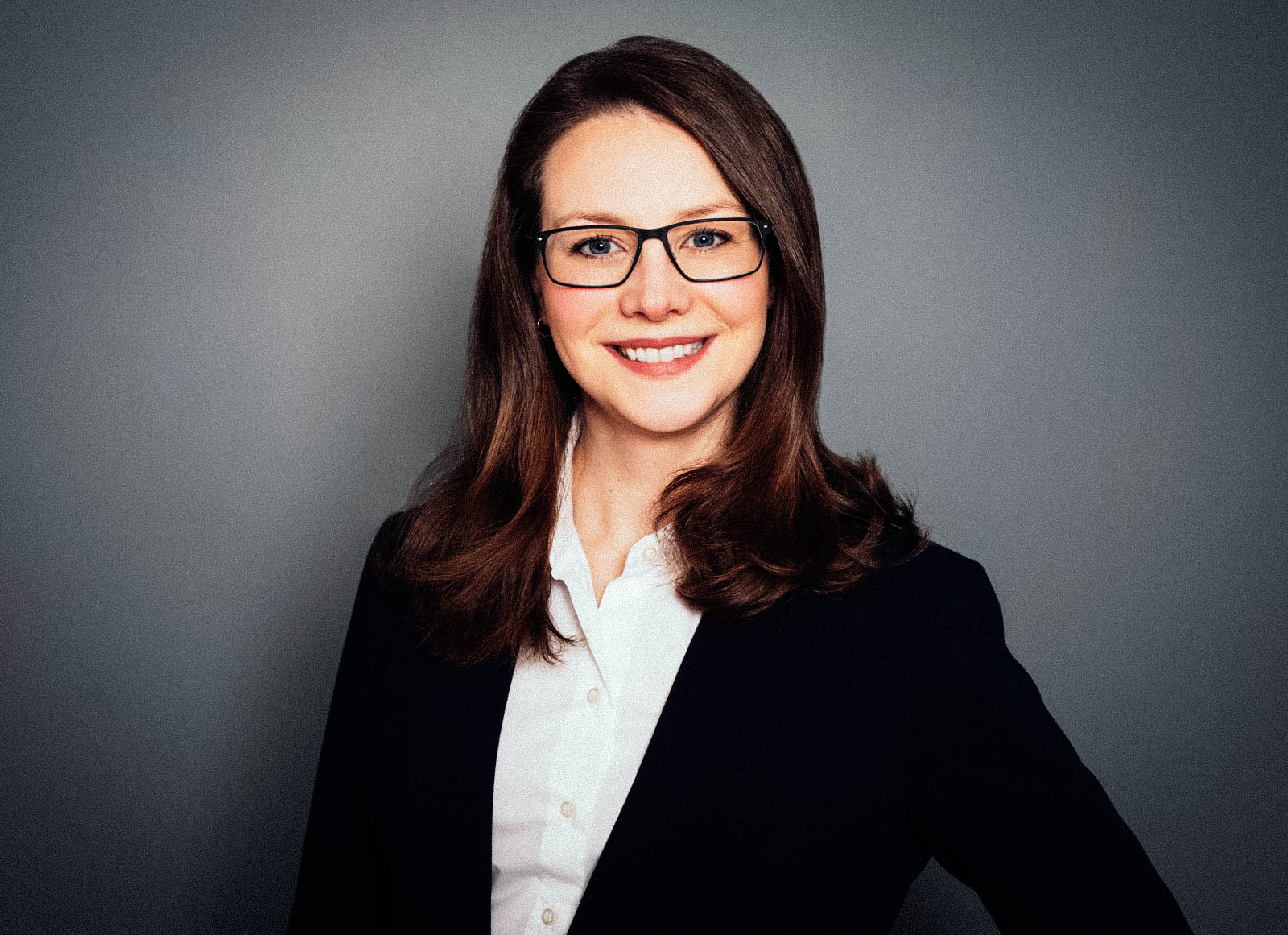
Christina Müller, a high school teacher, completed the master’s program in “School Management & Leadership”

About the master's program in School Management & Leadership

The part-time continuing education program in School Management & Leadership is aimed at leaders in the education system and all those who want to become one. It is offered by the Hector Institute for Empirical Educational Research at the University of Tübingen in cooperation with aim Heilbronn, the Institute for Educational Analysis Baden-Württemberg (IBBW) and the Center for School Quality and Teacher Education (ZSL).

Why did you become a teacher?
Mueller: My decision to study as a teacher was initially driven by my passion for music and mathematics. In the course of my studies, and especially during the practical semester, I also developed a great enthusiasm for teaching. How learning can be successful and what conditions are necessary for this – these questions already occupied me during my studies.

You completed the part-time master’s program in School Management & Leadership at the University of Tübingen. What led you to this program?
Mueller: That was in 2023. I was still at the Schloss Salem school at that time, and the school administration forwarded information about the degree program to the faculty. Since I had already become aware of the topic of leadership in schools at a conference, the program immediately piqued my interest.

What did you find particularly exciting about it?
Mueller: That leadership isn’t understood as a gut feeling, but rather taught as a professional and learnable skill. At the time, I was a digitalization officer at my school, and I found that a key part of my job involved shaping processes and taking on leadership. I wanted to be better equipped for that.

You graduated at the end of 2025. How do you look back on your studies?
Mueller: I experienced the time as very enriching. I found the exchange with my fellow students – including teachers, school administrators and colleagues from the school supervisory authority, all from different federal states and countries – particularly valuable.

What is your top argument for choosing the master’s program?
Mueller: The content is scientifically sound and at the same time closely reflects the real challenges encountered in schools.

And what did you gain from the program?
Mueller: A lot! Among other things, a sharpened, evidence-based view of what constitutes good teaching. A great deal of knowledge about learning and skills development in the digital age. And a comprehensive understanding of schools as educational organizations and how leadership, culture and structures shape innovation and development processes.

Who would you recommend the master’s program to?
Mueller: Basically, to all colleagues who want to actively shape their schools. Regardless of whether they hold or aspire to a formal leadership role. The degree program understands leadership not as a position but as a true responsibility. And this responsibility starts in the classroom.
About aim Heilbronn

Based on scientific findings, the Academy for Innovative Education and Management (aim) develops continuing education programs and provisions for children, young people, and especially for those who shape and support educational processes. With its offer, aim pursues the goal of enabling educational equality and empowering children and young people to participate actively, independently and responsibly in democratic society.

aim was founded in 2002 and has been supported and funded by the Dieter Schwarz Foundation ever since. This ensures that aim’s programs can be offered largely free of charge.

Similar articles

Show all

“The learning concept is brilliant because it’s so practical”

No teachers, no lectures, just project work: the 42 Heilbronn coding school is training the programmers of tomorrow. Two students and their managing director share their experiences.

read more

“Don’t wait, just do it!”

AI School Prize, further training for teachers and holiday camps: We asked Kai Erik Trost how aim Heilbronn advocates the competent and courageous use of artificial intelligence in schools.

read more

“All children should be able to develop their talents”

To improve educational opportunities for children, aim Heilbronn employs specially trained support teachers. Melanie Meißner is one of them. We spoke to her about why she is needed and how she can help.

read more
;